A snapped cable or a sticking roller can turn a routine morning into a scramble. Garage door cables and rollers are small parts that shoulder a lot of force, and when they fail the effects are immediate: a door that jams, sags, or moves dangerously. For homeowners in Mint Hill, NC, Rise Up Garage Doors has built a reputation on fixing those problems quickly, safely, and with an eye toward preventing repeat calls. This article walks through the typical failures I see in the field, how we diagnose and prioritize repairs, the trade-offs in parts and techniques, and what customers should expect from a repair visit.
Why cables and rollers deserve your attention Cables and rollers transfer motion and balance. The torsion springs may lift the weight, but the cables keep the door aligned and stop it from falling if a spring breaks. Rollers keep the door tracking smoothly along the vertical and horizontal rails. When either system degrades, the whole assembly strains. A frayed cable can unravel suddenly under load. A worn nylon roller can shatter or pop out of its track, bending the rail or jamming the door. Those outcomes cost more than the parts themselves: they risk injury, damage to vehicles, and extended downtime.
The stakes are concrete. A standard single-car sectional door weighs 150 to 200 pounds; a double-car door can be 300 pounds or more. If balance is off by even a few pounds because of a bad cable or a misaligned roller, the opener works harder, cycles faster, and wears out sooner. I remember a Mint Hill homeowner whose opener failed after a shredded cable left the door slightly off-balance; the motor overheated and the homeowner spent twice as much replacing both the opener and the cable. Preventative attention to cables and rollers avoids those cascading costs.
How damage usually starts Wear that leads to failure rarely appears overnight. Most damage begins with something you can catch if you know what to look for. Rollers grind against bent rails because of a misplaced hinge or a screw that loosened. Salt, grit, and the occasional gravel kicked up by a lawn mower abrade nylon and metal. Cables fray where they pass over the drum or rub against a bent bracket. Human factors matter too: using the opener while the door is partially blocked, propping the door open with a stick, or attempting DIY spring swaps are common causes of secondary cable and roller damage.
A recent weekday call in Mint Hill involved a tenant who had been forcing a noisy door closed for weeks. The rollers were visibly chipped, and one cable had unraveled several inches. We replaced both cables, installed precision nylon rollers, and adjusted track alignment. The total job took under two hours and prevented an imminent cable failure that would have left the tenant locked out.
Five clear signs your cables or rollers need attention
Shredded or unraveled cable strands, visible at the drum or bottom anchor. Door that sags to one side, or tracks that show rubbing marks and gaps. Loud grinding, screeching, or popping sounds when the door moves. Rollers that wobble, have missing nylon, or visibly skip in the track. Door reverses or stops unpredictably, especially near the middle of travel.If you notice one or two of these, call for an inspection. If you notice three or more, stop using the opener until a pro evaluates the risk. A door that binds while closing can pinch fingers, dent cars, or damage interior ceiling fixtures.
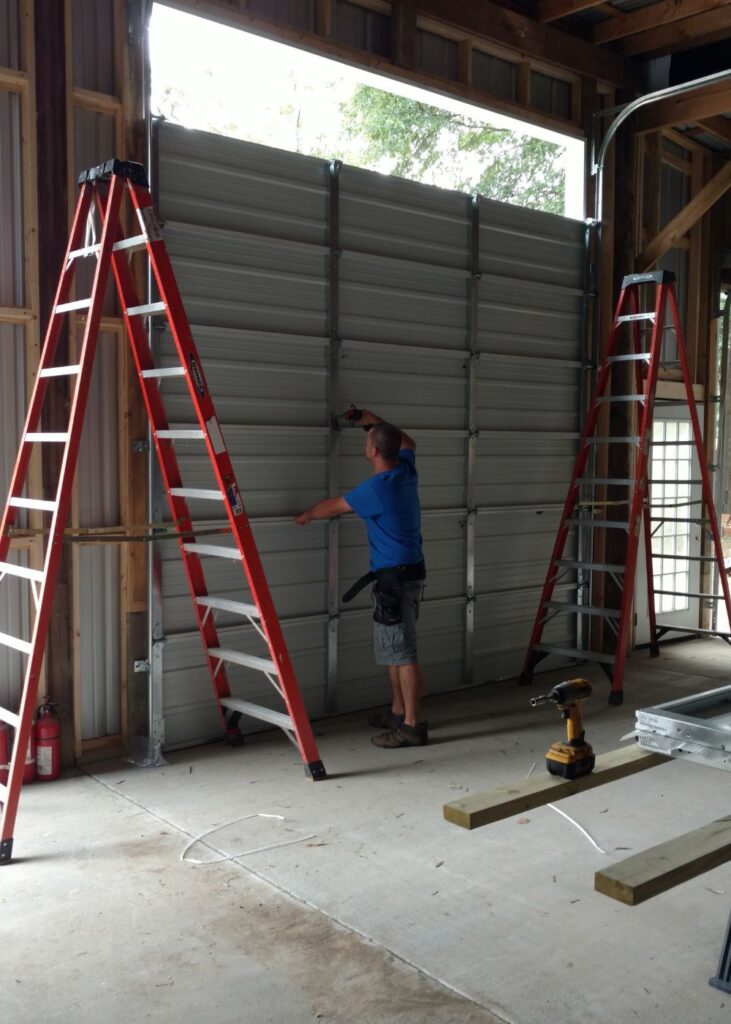
How Rise Up Garage Doors approaches diagnosis We start with a rapid but thorough inspection that follows a clear sequence, because the cause is not always where the symptom appears. First, we visually inspect the rollers, cables, drums, springs, and the track for obvious deformation or wear. We lift the door manually to gauge balance, watching for hesitation or jerking that indicates bad rollers or a frayed cable. We test the opener and safety reversal system to see if the issue is purely mechanical or commercial garage door repair near me compounded by an electronic sensor failure.
Diagnostic choices are practical and driven by safety. If a cable is fraying but still holding, we do not suggest repeatedly opening the door until the new cable is installed. If rollers are old but the track is bent, replacing rollers alone would be a wasted repair; we address the track and hardware in the same visit when feasible. That judgment comes from experience: returning to fix a curled track after only changing rollers happens more often than it should, and it wastes time and money for homeowners.
Parts, materials, and the trade-offs Choice of parts affects longevity, noise, and cost. I’ll lay out the main options we discuss in the field and why we recommend one over another in typical residential situations.
- Rollers: steel vs nylon. Steel rollers last long but transmit more noise and can wear grooves into the track. Nylon rollers run quieter and are kinder to tracks, but cheaper nylon can split under high loads. Our standard is precision ball-bearing nylon rollers for most Mint Hill homes, and steel rollers only if the homeowner prioritizes maximum longevity and tolerates more noise. Cables: galvanized vs aircraft-grade. Galvanized cables are the common choice, corrosion-resistant and cost-effective. Aircraft-grade cables are stronger and more flexible, and they make sense for heavier doors or coastal exposure. For most Mint Hill properties, 7x19 galvanized cables sized to the door are the right balance. Drums and hardware: stamped vs machined. Stamped drums are economical but can deform with age. Machined drums hold cable alignment better and reduce fraying. We often recommend machined drums as a modest upgrade when cables show wear.
These trade-offs reflect real choices. A homeowner on a tight budget may accept galvanized cable and stamped drums knowing they will likely replace parts sooner. A homeowner planning to stay in a home for a decade often chooses higher-grade hardware once and avoids a repeat call. We present those options, explain expected lifespans in years, and let homeowners choose based on budget and plans.
The repair process, step by step When we get a call in Mint Hill for garage door cable and roller repair, the actual job follows a predictable pattern that teams can complete safely in a single visit most of the time. These are the primary steps we take.
Secure the area and disconnect power to the opener. Unweight and secure the door with clamps to prevent accidental movement. Remove and inspect rollers, cables, drums, tracks, and springs. Replace cables and rollers, true up the track, and install new drums or brackets as needed. Re-balance the door, test the opener, and verify reversal and safety sensors.The sequence matters. Disconnecting power and clamping the door are basic safety steps homeowners often overlook when attempting DIY fixes. I cannot count the number of times I've disassembled a door only to find a homeowner had never clamped it, and on heavy doors that can lead to catastrophic injury. We use industry-standard clamps and follow a two-person rule for the heavier doors to ensure the assembly cannot slip while parts are removed or installed.
Common complications and how we handle them Not all repairs are straightforward. Here are typical complications and the judgment calls they require.
- Corroded fasteners. Older homes along county roads can have rusted bolts that shear when you try to remove them. We carry extraction tools and replacement hardware. If the mounting point is compromised, we recommend reinforcing the header or replacing the bracket rather than trying to reuse suspect anchors. Bent or crushed track. Replacing rollers without addressing a bent track is wasted effort. Small dents can sometimes be massaged out on-site using specialized rollers and heat where appropriate. Severe bends require a track replacement. We explain whether a field repair will hold long-term or if a replacement is the prudent choice. Spring and cable interactions. If springs are weak or improperly wound, they can overload new cables, causing premature failure. We always assess spring condition and recommend replacement when the spring cycle count suggests future failure. It is common practice to replace both cables when a spring is replaced, because new springs put different stresses on old cables. Garage door age and alignment. Doors that have settled frames or worn hinges often show repeated cable issues. In those cases, addressing only the cable is a temporary fix. We present homeowners with a clear scope: do a minimal repair now, or invest in comprehensive hardware replacement and alignment to prevent further problems.
Timelines and pricing expectations A typical single-car door cable and roller replacement can be completed in one to two hours. A double-car door, or a job needing track work or adjustments to the header, typically takes two to four hours. Costs vary by parts and the complexity of the job. For a straightforward replacement with precision nylon rollers and galvanized cables, expect a homeowner to pay in a reasonable range. If upgrades such as machined drums or aircraft-grade cable are chosen, that increases the parts cost but often extends time between service calls.
We provide a flat labor window and an upfront parts estimate before any work begins. If we discover additional issues after starting, we pause and provide a revised estimate. No surprises. One Mint Hill homeowner appreciated that transparency after we found a hidden bent hinge that would have caused repeated failures; replacing it added time but saved money over the next five years.
Safety practices we insist on Cables are under tension and springs can store lethal energy. For homeowners, the safest course is to leave any cable, roller, or spring work to professionals. Our technicians follow strict protocols: lock out the opener, clamp the door, use winding bars for torsion springs, and never stand under a door without proper supports. We also verify the unit’s auto-reverse mechanism at the end of each job and test both mechanical and photo-eye reversals.
Insurance and liability are practical concerns. We carry general liability and workers compensation insurance and provide documentation upon request. If you live in a neighborhood with older homes, ask your homeowner insurance provider whether repairs or replacements affect coverage. In some cases, insurers offer discounts for upgraded hardware that reduces break-ins or accidental damage.
Maintenance habits that extend life Small habits extend the life of cables and rollers. A quarterly visual check for frayed cable strands and cracked nylon rollers catches problems early. Lubricating hinges, rollers, and the torsion spring with a light, sprayable garage door lubricant once a year reduces wear and noise. Avoiding power washes and harsh degreasers on tracks prevents corrosion of fasteners. If you have a mechanical opener, do a manual lift test monthly: pull the release and lift the door halfway. The door should stay put. If it drifts, schedule a balance check.
For residents of Mint Hill who prefer a checklist, here are five preventative actions we recommend for every homeowner.
Visually inspect cables and rollers quarterly, looking for frays or cracks. Lubricate hinges, rollers, and springs annually with an aerosol garage lubricant. Perform a manual balance test monthly to confirm even lifting. Keep tracks clear of debris and avoid dragging heavy items across them. Schedule professional inspections every 2 to 3 years, sooner for heavily used doors.Why local expertise matters Mint Hill has specific considerations: seasonal humidity, roadside dust, and older construction stock in some neighborhoods. Local technicians understand which parts corrode faster and which opener models tend to overwork on particular door types. Rise Up Garage Doors keeps common parts on the truck and offers same-day visits for urgent fails where safety is a concern.
Beyond parts knowledge, local presence matters for trust. We show up with a numbered van, present clear quotes, and leave a clean workspace. One client on Matthews Mint Hill Road called after hours when a cable snapped and the car was trapped. We arrived within the promised window, secured the door, and had the car out in under an hour. That kind of responsiveness reduces the anxiety homeowners feel when a small mechanical failure threatens daily routines.
Why choose Rise Up Garage Doors Experience translates into fewer return trips. We combine transparent pricing, local knowledge in Mint Hill, and a focus on durable parts that match a homeowner’s goals, whether they prioritize cost, silence, or longevity. Our technicians document repairs with photos and explain what to watch for next. We do not sell unnecessary upgrades. When a simple cable and three rollers fixed a problem, we say so. When track reinforcement is needed, we explain why.
Our warranty practices back that approach. Parts and labor warranties vary by job, and we clarify coverage in writing before repairs start. Homeowners appreciate that certainty; a warranty on parts and labor means if a replaced cable fails under normal use within the warranty period, we come back and make good at no additional labor charge.
Final practical notes If you hear a different rhythm in your garage door, act sooner rather than later. Small symptoms become expensive problems when they compound. Keep a photograph of your door’s hardware and the model of your opener handy so that when you call for Garage Door Repair Mint Hill NC, Rise Up Garage Doors can pre-plan the visit and bring the right parts. That simple step often shortens the job and reduces cost.
We handle urgent safety issues and routine tune-ups with the same care. Whether you need a cable replaced, rollers upgraded, or a full hardware refresh, choose a team that documents the problem, explains the options and trade-offs, and leaves the door safe, quiet, and balanced. For homeowners in Mint Hill, NC, who value clarity and durable repairs, Rise Up Garage Doors offers local expertise and dependable follow-through. If your door shows any of the signs described above, schedule an inspection before a small problem becomes a major interruption.
Rise Up Garage Doors
Mint Hill, NC, United States
+1 (980) 240-2447
[email protected]
https://riseupgaragedoors.com/